6 Sep 2026
Regulatory Licensing and Its Influence on Parisian-Themed Live Dealer Mobile Gaming Platforms

Parisian motifs appear across numerous mobile gaming platforms through visual elements such as elegant cafe scenes, Art Nouveau patterns, and subtle references to historic boulevards, yet these aesthetic choices operate within strict licensing structures that determine which live dealer options reach players and how protection mechanisms function in practice. Licensing authorities set parameters for game offerings, data handling, and responsible play tools, and these rules directly affect how themed content gets deployed on mobile devices where users access real-time dealer interactions.
Research from industry reports indicates that licensing frameworks in various jurisdictions require operators to demonstrate compliance before introducing live dealer variants, and this process often includes audits of software providers along with verification of random number generators even when the visual theme draws from Parisian influences. Platforms must align their dealer streams and betting interfaces with these standards, which means certain table limits, camera angles, or chat features may receive approval only after meeting regional criteria for transparency and fairness.
Licensing Structures Across Regions
European regulatory bodies have established detailed guidelines that cover both the technical delivery of live dealer games and the integration of cultural motifs into gambling interfaces, while authorities in other regions such as Australia apply their own criteria focused on consumer protection and platform stability. One study released by the Australian Communications and Media Authority examined how licensing conditions shape the availability of themed content on mobile applications, and the findings showed that operators adapt their Parisian-inspired designs to satisfy local rules on payout verification and session monitoring.
Operators who secure multi-jurisdictional licenses often maintain separate versions of their mobile platforms to accommodate differing requirements, and this segmentation allows Parisian motifs to remain consistent visually while the underlying live dealer mechanics adjust to local mandates on game speed, minimum stakes, and player verification steps. Data compiled by the European Gaming and Betting Association highlights that such adaptations have become more common as mobile usage continues to rise, with licensing renewals frequently tied to evidence of ongoing player protection measures.
Effects on Live Dealer Options
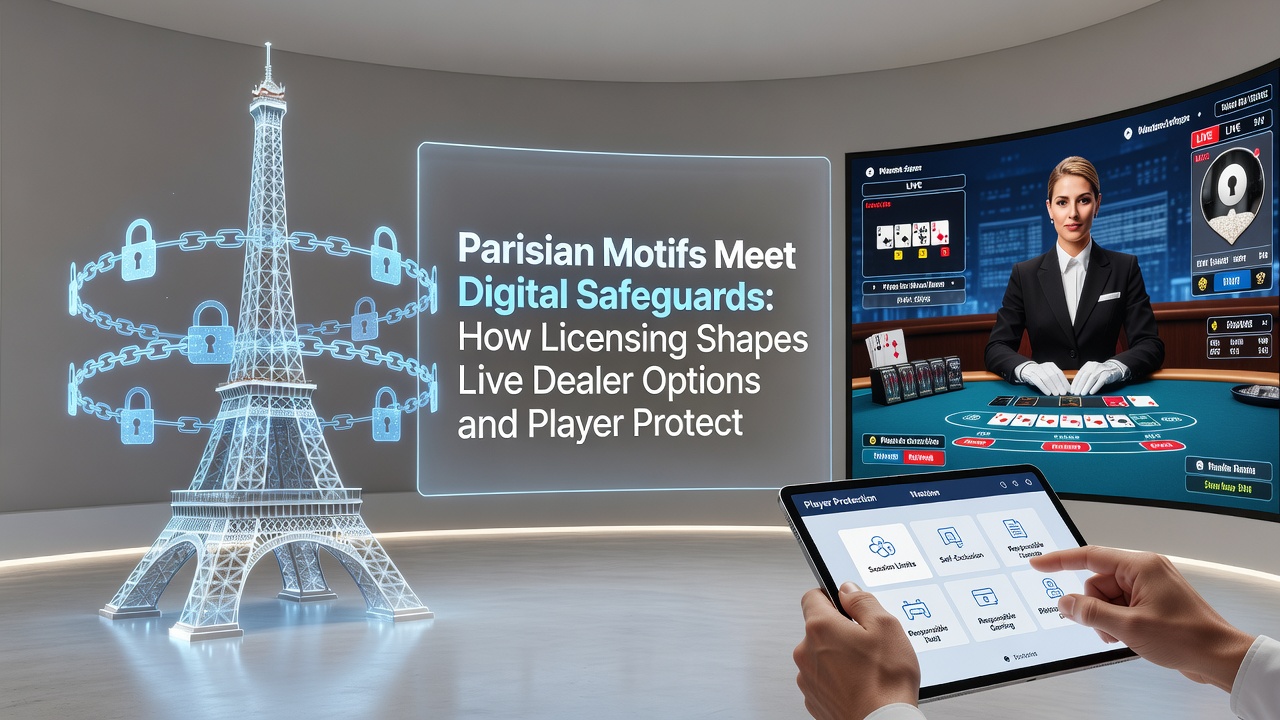
Live dealer games featuring Parisian motifs typically include roulette wheels styled after classic French designs or blackjack tables set against backdrop images of illuminated city streets, but licensing conditions determine whether these games support features such as side bets, multi-camera views, or interactive chat functions. Regulators review each element to confirm it does not compromise fairness, and platforms respond by limiting certain options in jurisdictions where additional safeguards are mandated.
Observers note that operators sometimes introduce new live dealer variants only after licensing amendments take effect, and this timing creates patterns where themed mobile releases coincide with updated compliance deadlines. In September 2026 several platforms are scheduled to roll out revised live dealer suites that incorporate enhanced identity checks while preserving the visual language associated with Parisian aesthetics, reflecting how licensing cycles influence content calendars.
Player Protection Mechanisms
Licensing agreements routinely require the inclusion of tools such as deposit limits, reality checks, and self-exclusion options, and these features must function seamlessly within themed mobile interfaces that employ Parisian motifs for navigation and branding. Research indicates that when protection systems integrate directly with the game flow, players encounter fewer disruptions, yet the same studies reveal that licensing bodies monitor usage data to verify effectiveness across different demographic groups.
Case examples from operators show that platforms using Parisian-inspired color palettes and typography often embed protection prompts within the interface design itself, such as subtle notifications styled after vintage posters, and this approach stems from licensing requirements that emphasize clarity without breaking immersion. Figures from regulatory submissions demonstrate that such integrated tools correlate with measurable reductions in extended play sessions when implemented consistently.
Mobile Platform Adaptations
Themed mobile platforms must balance aesthetic consistency with technical demands imposed by licensing, including secure data transmission for live streams and encrypted storage of player preferences. Developers adjust server locations and content delivery networks to meet geographic restrictions, and these decisions affect how quickly Parisian-themed live dealer tables load on devices in different regions.
Industry analyses reveal that operators frequently collaborate with software providers to ensure motif elements do not interfere with required security protocols, and testing phases include simulations of various licensing scenarios before full deployment. This collaborative process results in mobile applications that retain visual coherence while satisfying the distinct player protection standards set by each licensing authority.
Conclusion
Licensing continues to define the boundaries within which Parisian motifs coexist with live dealer functionality and protection measures on mobile platforms, producing a landscape where visual themes adapt to regulatory expectations rather than the reverse. Ongoing developments through 2026 and beyond will likely maintain this relationship as authorities refine their approaches and operators adjust their offerings accordingly.